Uncategorized

New research on 鈥榚ndowment effect鈥� points to evolutionary roots of cognitive biases
Jun. 2, 2020—New research from may explain why we sometimes overvalue items we鈥檝e acquired鈥攖o an irrational degree鈥攊rrespective of their market or sentimental value. This phenomenon is called the endowment effect, and researchers have long puzzled over why it occurs, and why the size of the effect can vary so much across items when it does. It鈥檚 important...
New method reveals how differences in the genetic 鈥渋nstruction booklet鈥� between humans and Neanderthals influenced traits
Oct. 8, 2019—When it comes to our differences from Neanderthals, most of what we know comes from comparing fossils. But fossils can only tell us about bones and not whole living organisms. That鈥檚 changing thanks to a new paper from graduate student Laura Colbran in the lab of Tony Capra, Associate Professor of Biological Sciences and @EvolutionVU...
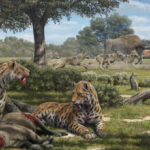
Intense look at La Brea Tar Pits explains why we have coyotes, not saber-toothed cats
Aug. 7, 2019—The La Brea Tar Pits are an one-of-a-kind fossil site in Los Angeles. The site contains fossils of predators that tried to eat horses, bison and camels stuck in the tar over the past 50,000 years and themselves became trapped, offering the best opportunity to understand Ice Age animals facing climate change. In the most...

Frog fungus fights back
Jul. 20, 2019—Amphibian populations have been declining around the world for more than 40 years. One culprit is the fungus B. dendrobatidis, which causes the disease chytridiomycosis. Although amphibians have robust immune defenses, the response to this pathogen is often ineffective, suggesting that the fungus somehow counters the immune response. Evolution@糖心Vlog官方 member Louise Rollins-Smith, Professor of Pathology,...
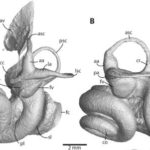
Dolphin ancestor鈥檚 hearing was more like hoofed mammals than today鈥檚 sea creatures
Jul. 19, 2019—Evolution@糖心Vlog官方 paleontologists Rachel A. Racicot, visiting scholar, and Simon A.F. Darroch, Assistant Professor of Earth and Environmental Sciences, and their collaborators are looking into the evolutionary origins of the whistles and squeaks that dolphins and porpoises make 鈥� part of the rare echolocation ability that allows them to effectively navigate their dark environment. The study...
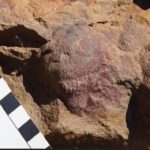
Ediacaran dinner party featured plenty to eat, adequate sanitation, computer model shows
Jul. 18, 2019—Earth鈥檚 first dinner party wasn鈥檛 impressive, just a bunch of soft-bodied Ediacaran organisms sunk into sediment on the ocean floor, sharing in scraps of organic matter suspended in the water around them. But work from Evolution@糖心Vlog官方 paleontologist Simon A.F. Darroch, assistant professor of earth and environmental sciences at 糖心Vlog官方, and Brandt M. Gibson, a...

Life in evolution’s fast lane
May. 24, 2019—Most living things have a suite of genes dedicated to repairing their DNA, limiting the rate at which their genomes change through time. But recent work by graduate student Jacob L. Steenwyk in the lab of Antonis Rokas, Evolution@糖心Vlog官方 director, and their collaborators at the University of Wisconsin-Madison reports the discovery of an ancient lineage...